
BUKIT KEPONG, Jan 1 — Months of fieldwork, interconnection and shared moments with the local community culminated in the preparation of a coffee table book that documents the many layers of Bukit Kepong, from its defining historical legacy to the everyday lives that continue to shape the area today.
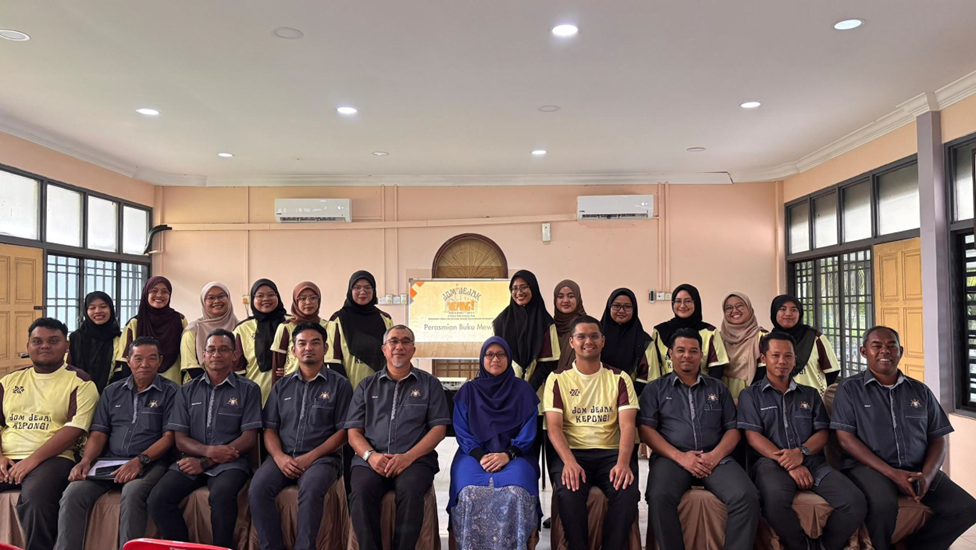
The Coffee Table brings together brief narratives and visuals on Bukit Kepong’s historical sites, including the legacy of the 1950 incident, alongside community-driven initiatives such as
agro-based enterprises, homestays, small businesses, traditional crafts and the dialect unique to the area. Rather than presenting Bukit Kepong as a static historical site, the publication reflects a living community shaped by memory, labour and continuity.
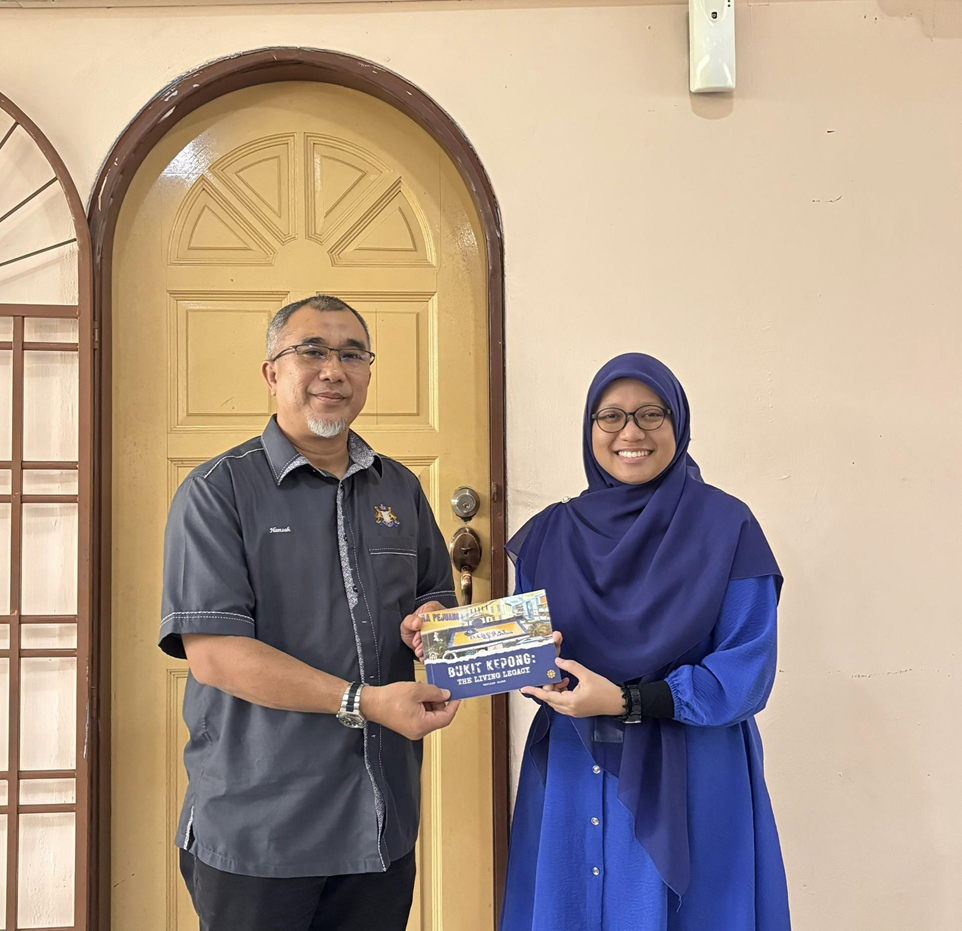
Prior to its official launch, selected materials from the book were presented to the village heads and the penghulu as part of an engagement session. Bukit Kepong penghulu Tuan Hamzah, in his remarks, described the project as a learning process and welcomed the efforts made to work closely with the community, noting that such initiatives test commitment and responsibility when engaging with people of diverse backgrounds.
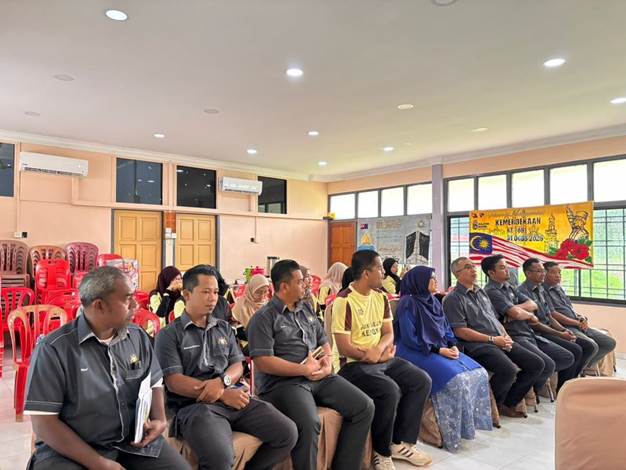
“ For a long time, Bukit Kepong has been known only for the attack on the police station. However, this coffee table book broadens perspectives by revealing the many other unique aspects, events and histories that exist in Bukit Kepong.” said Penghulu Bukit Kepong.” said the Penghulu.
Throughout the project, cooperation from the local leadership and residents played a central role in its completion. The warmth and openness extended by the people of Bukit Kepong, from the early stages of the previous semester until the final phase of production, became an integral part of the book’s narrative.
The Coffee Table Book stands as a record of shared effort preserving history while acknowledging the people who continue to give Bukit Kepong its meaning.