
Academic Visit and Engagement with Universities from Uzbekistan
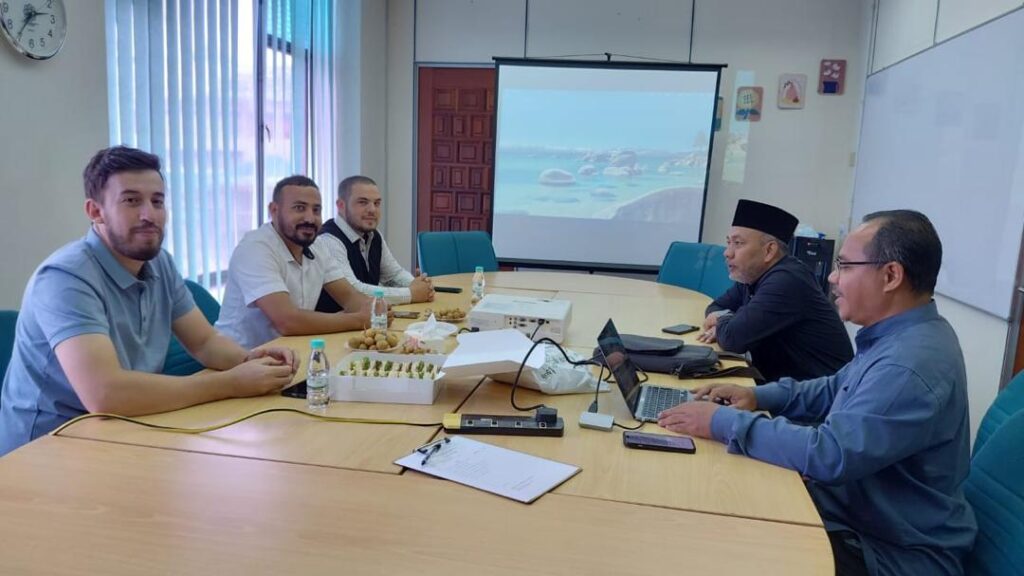
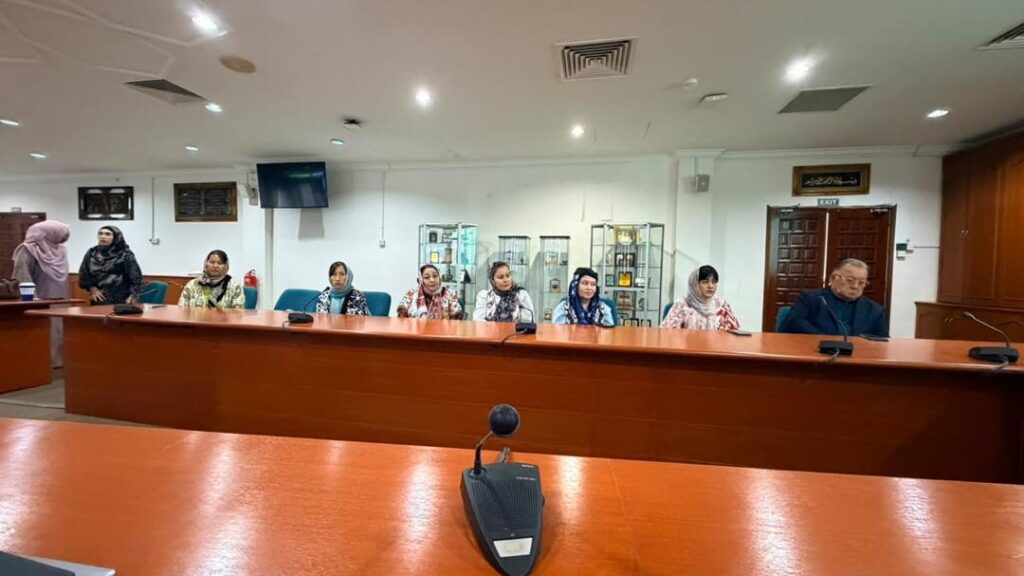
GOMBAK — The Kulliyyah of Education (KOED) at the International Islamic University Malaysia (IIUM) recently hosted a visiting delegation from Termez State University and Fergana State University, Uzbekistan, for a bilateral academic engagement aimed at building strategic partnerships and exploring joint educational initiatives. The morning session opened with a welcoming briefing by the Dean of KOED for the visiting Uzbek delegation, which comprised six academic staff members from Termez State University and one from Fergana State University. KOED’s Prof. Dr. Rahim also attended the session alongside his daughter, who assisted as a tour guide for the visitors. Following the opening remarks, Prof. Ismail Sheikh Ahmad delivered a comprehensive presentation detailing KOED’s undergraduate and postgraduate Teaching of English as a Second Language (TESL) degree offerings, outlining the academic pathways, core program structures, and specialized discipline areas available at the kulliyyah. In turn, Dr. Khudoynazarova Uglonoy Allamurodovna from the Department of English Language and Literature at Termez State University presented an overview of the educational framework, academic offerings, and campus facilities across both visiting Uzbek institutions. The morning concluded with an interactive roundtable discussion focused on key areas of potential cooperation. Key topics included cross-border student and faculty mobility programs, joint research projects, and prospective institutional exchanges. The engagement continued into the afternoon with three research paper presentations delivered by the visiting scholars,facilitating a dialogue on contemporary educational research. Additionally, Dr. Jafar Parambor and Assoc. Prof. Dr. Irfan presented a collaborative research proposal outlining potential joint studies and publication opportunities between KOED and the Uzbek universities. The visit concluded on a constructive note, laying a clear foundation for future institutional ties. Both parties expressed mutual interest in formalizing their partnership through a Memorandum of Understanding (MoU) and pursuing joint scholarly initiatives moving forward.